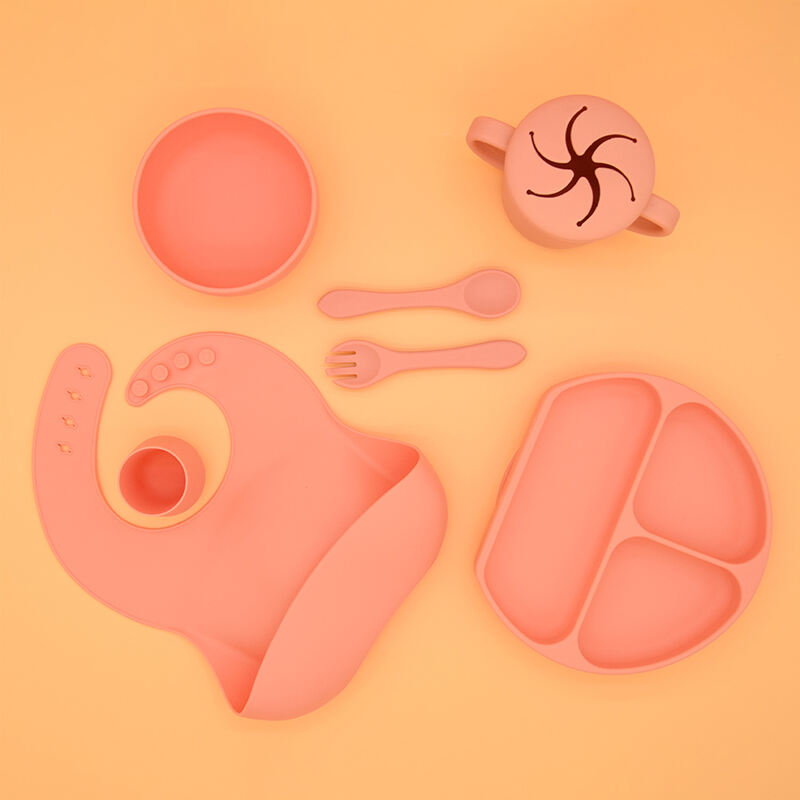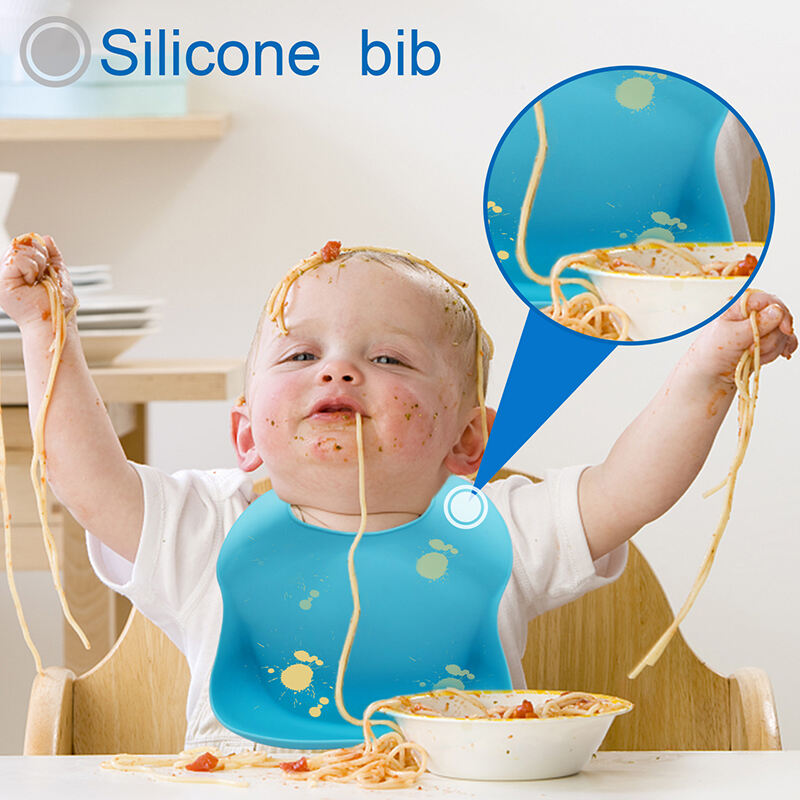

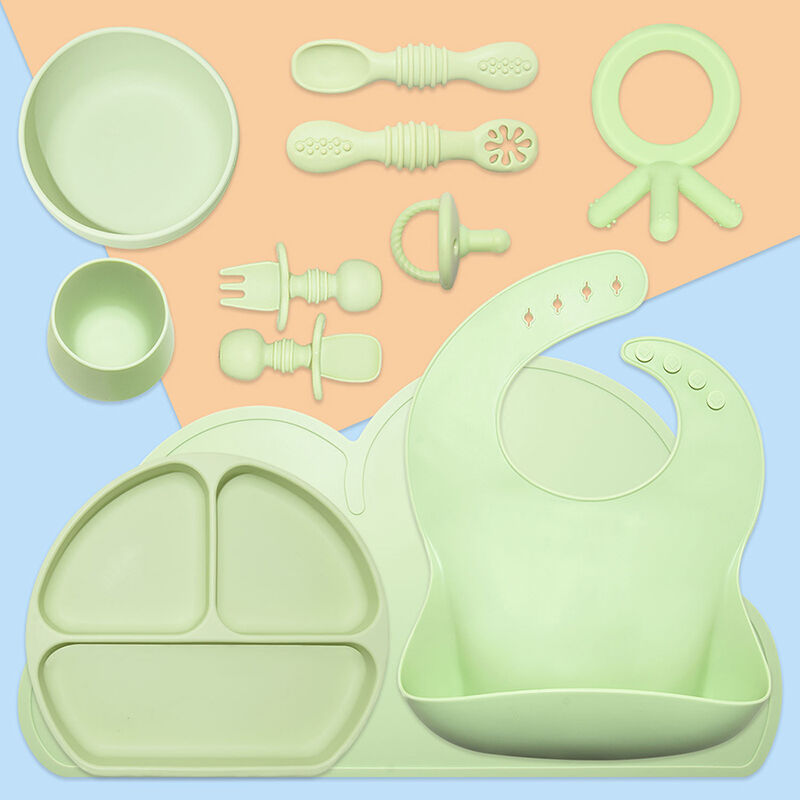
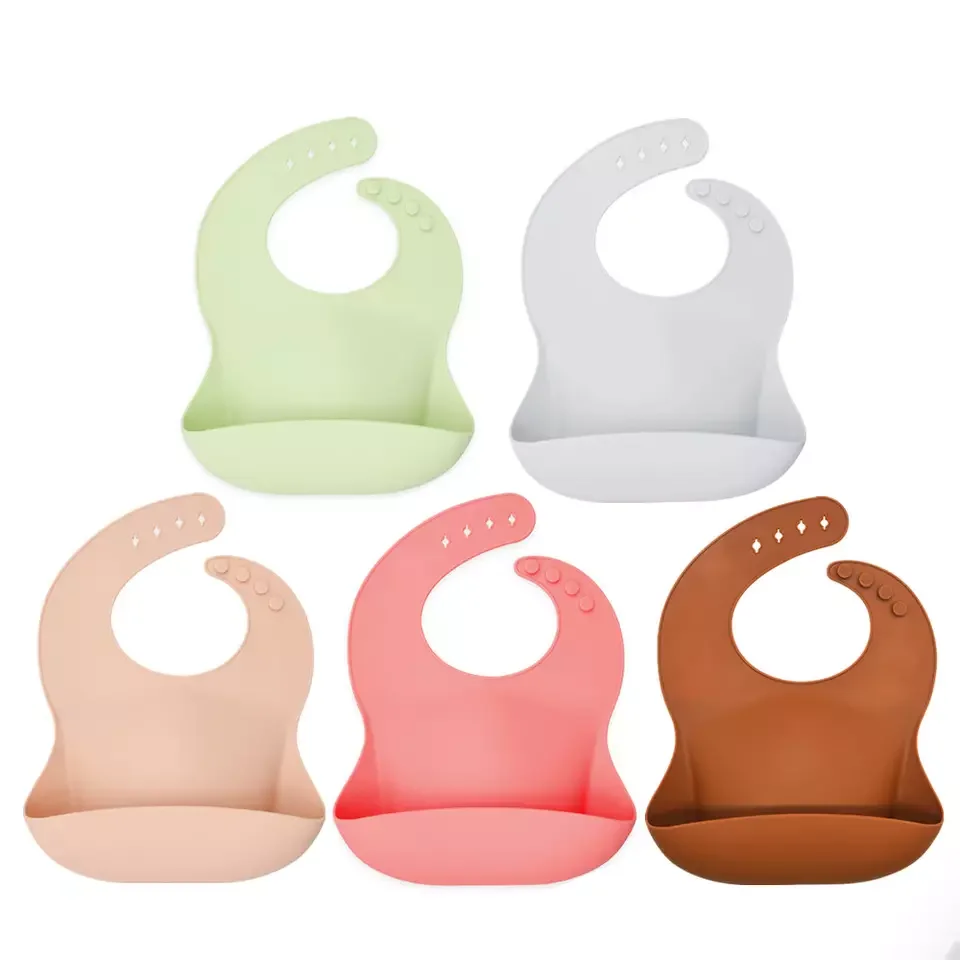
A baby bib is a fundamental infant care accessory, specifically engineered to manage the mess associated with feeding and teething. The professional conception of a high-quality bib involves a deep understanding of material properties and infant anatomy. Materials are chosen for their safety, comfort, and functionality. Food-grade silicone offers a non-absorbent, easy-to-clean surface that is durable and often collapsible for portability. Conversely, bibs made from natural fibers like cotton or bamboo are highly absorbent and soft against the skin, typically featuring a waterproof layer such as PEVA or TPU to prevent liquid seepage. The design must prioritize a snug but not tight fit around the neck, utilizing safe closure systems like plastic snaps that are easy for adults to operate but difficult for babies to open. The body of the bib should provide ample coverage, and the pocket must be thoughtfully designed—deep, wide, and capable of staying open to perform its function effectively. Some designs incorporate rolled edges for comfort or textured surfaces on silicone bibs to mimic teething toys. The real-world application of baby bibs is extensive. They are used during every feeding session from the start of weaning, protecting clothes from stains and moisture. For babies who are teething and drooling constantly, a bib is necessary to keep them dry and comfortable, preventing chafing and rashes. As toddlers learn to eat and drink independently, the mess increases, and a robust bib becomes even more important. They are also used during playtime to protect clothing from art supplies like finger paints. Selecting an appropriate bib depends on the primary use case: a lightweight, absorbent bib for drool, a full-coverage bib with a pocket for meals, or a stylish bib for social outings. We have developed a comprehensive range of baby bibs to cater to these varied requirements. For detailed specifications, sample requests, and further information, please feel free to contact our support team for a dedicated response.